Misery Loves Company: The Strange Psychology of Watching TV You Absolutely Cannot Stand
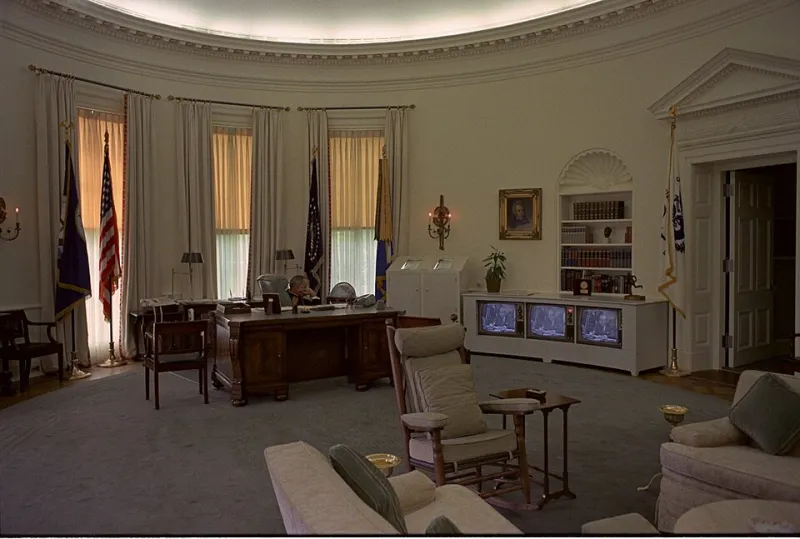
Photo: Yoichi Okamoto, Public domain, via Wikimedia Commons
Picture this: it's a Tuesday night, you're forty minutes into an episode of a reality competition you have described — out loud, to multiple people — as "genuinely unwatchable." And yet, here you are. Watching it. Again.
Welcome to the hate-watch. It's one of the most confusing, self-aware, and honestly kind of hilarious behaviors in modern entertainment culture. We know the show is bad. We say it's bad. We text our friends about how bad it is while it's happening. And somehow, that makes us more likely to tune in next week, not less.
So what gives?
The Social Glue Nobody Talks About
Here's the thing about a truly terrible TV show: it's a shared experience in a way that prestige television rarely is. When a show is brilliant — think The Bear or Succession — it can feel intimidating to talk about. You want to say the right thing. You want to sound smart.
But when a show is a trainwreck? All bets are off. Everyone becomes an expert. Your group chat lights up. Twitter (or X, or whatever we're calling it this week) turns into a real-time comedy roast, and suddenly you're part of something bigger than just sitting alone on your couch.
Psychologists actually have a term for the bonding that happens around shared negative experiences: benign masochism. Essentially, humans are wired to find pleasure in controlled discomfort — roller coasters, spicy food, horror movies, and yes, absolutely dreadful reality TV all fall into this category. The "bad" thing isn't actually threatening us, so our brains can relax and enjoy the ride.
Hate-watching taps directly into that circuit. The show isn't hurting you. But complaining about it together? That's pure social currency.
FOMO Has Entered the Chat
Let's be honest about another major driver here: fear of missing out. When a bad show becomes a cultural moment — think The Bachelor villain of the season, or whatever chaotic Netflix experiment everyone's dissecting — opting out means opting out of the conversation entirely.
And in 2025, the conversation is kind of the whole point.
Social media has fundamentally changed how we consume entertainment. Watching a show is no longer just a personal experience — it's a live, participatory event. Memes get made in real time. Reaction videos go up before the credits roll. If you're not watching the thing everyone's talking about, you're a step behind, and that low-grade anxiety can be enough to keep millions of people locked into shows they'd genuinely rather not be watching.
Streaming platforms know this, by the way. The reason certain shows get heavy promotional pushes even when reviews are middling is because buzz — even negative buzz — translates directly to watch time. A show that people love to hate is, from a metrics standpoint, a show that people are watching. And that's all the algorithm needs to know.
The Superiority Loop (And Why It Feels So Good)
There's another, slightly less flattering reason we hate-watch: it makes us feel smart.
When you're watching a show you've already decided is beneath you, you get to be the critic. You spot every plot hole. You predict every bad decision before it happens. You groan loudly and feel entirely justified doing so. This is sometimes called "ironic consumption" — engaging with something while maintaining a comfortable emotional distance from it, a kind of built-in defense mechanism that lets you enjoy something without fully admitting you enjoy it.
It's the TV equivalent of reading a tabloid at the dentist's office. You're not into it. You're just... aware of it. Observing it from a scholarly distance. Obviously.
The problem — and there is a problem — is that this loop can be surprisingly hard to break. Each episode gives you new material to critique, new reasons to feel superior, and new things to share online. The show rewards you for hating it, which is a genuinely strange feedback cycle to find yourself in.
When Hate-Watching Stops Being Fun
Most of the time, hate-watching is harmless. It's a way to unwind, connect with friends, and participate in pop culture without taking anything too seriously. There's real entertainment value in a good collective groan.
But it's worth checking in with yourself every now and then. If you're finishing episodes feeling drained, irritated, or vaguely empty rather than entertained — even in a goofy, eye-rolling way — that's a signal worth paying attention to. Not every show that has cultural momentum deserves your actual time.
The best version of hate-watching is communal and kind of joyful. The worst version is just... watching stuff you hate, alone, out of habit, because stopping feels harder than continuing.
And look, no judgment here at Feolop. We've all been in season four of something we swore we were done with. But it's worth asking: are you watching this because it's genuinely fun to mock, or because you've just forgotten you're allowed to turn it off?
The Verdict
Hate-watching isn't a sign that you've completely lost the plot on your media diet — it's a pretty normal, deeply human response to the social nature of modern entertainment. The desire to be part of the conversation, the pleasure of shared outrage, and the ego boost of feeling like the smartest person watching the dumbest show are all real and valid experiences.
Just maybe set a personal limit. One trainwreck at a time. You've got standards, after all — even if you're actively ignoring them on Thursday nights.