No Screen Required: How Audio Drama Became TV for Your Ears
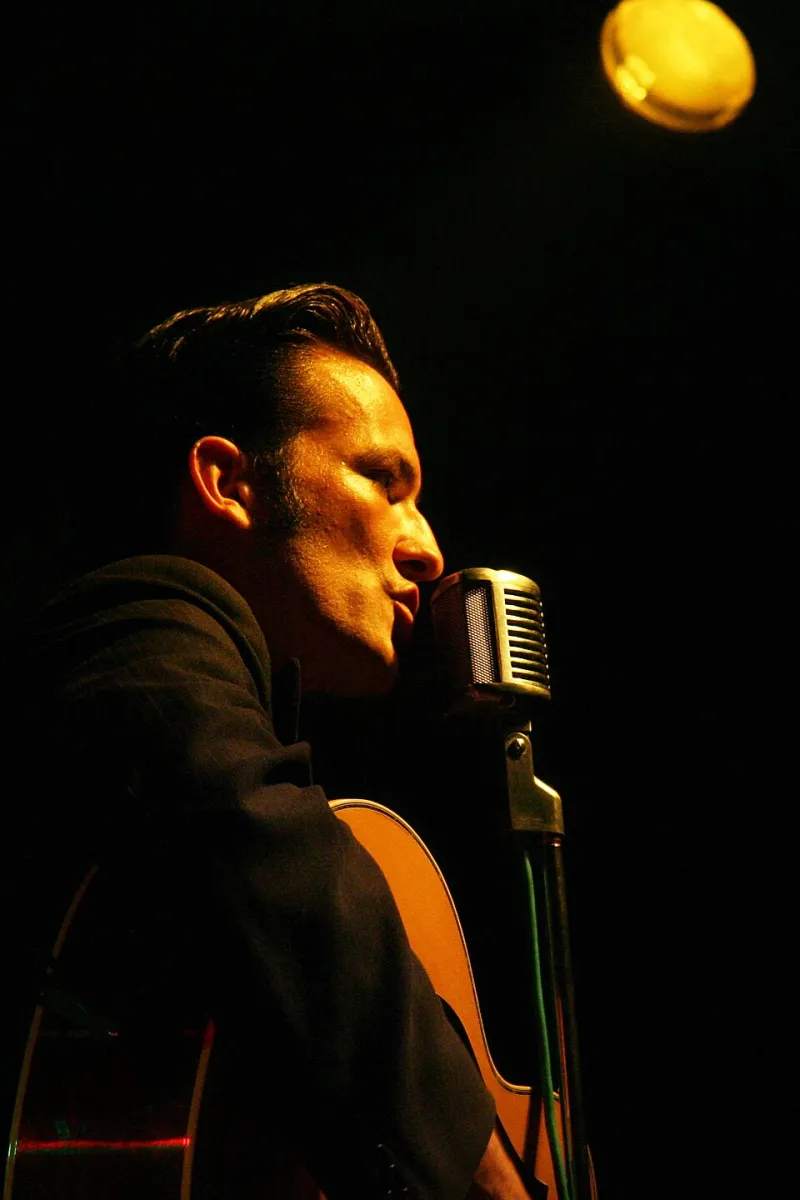
Photo: user:AngMoKio, CC BY-SA 2.5, via Wikimedia Commons
The most appointment-y television in 2026 might not be on television at all. It is in your ears while you are doing dishes, driving to work, folding laundry, or sitting in a parked car for five extra minutes because the episode is not over yet. Narrative podcasts and audio dramas have quietly built seasons, cliffhangers, finale nights, and fan wikis. They have shipping debates and cold opens and post-credits scenes. They just do not have pictures.
That is not a limitation so much as a different bargain. Audio fiction has figured out something streaming keeps forgetting: a story can be a place you go, not a feed you fall into. You do not need a thumbnail, a trailer, or an algorithm to tell you what to watch next. You need a voice, a sound design budget, and a reason to come back next week.
The season arc is back
Audio drama is not new. Radio serials were appointment listening long before anyone used the word podcast, and Orson Welles proved in 1938 that a good sound effect could make half the country check its backyard. The modern wave has been building since shows like Welcome to Night Vale in 2012 and the true-crime boom that followed Serial in 2014. But the current crop of fiction podcasts feels less like a novelty and more like a parallel TV industry.
Creators are designing for season arcs now. They write eight- or ten-episode runs with a pilot, a midpoint twist, a penultimate disaster, and a finale that makes you want to start a Reddit thread. They cast actors for voices, not faces. They use silence as a special effect. They treat a 25-minute episode as a complete chapter, not a fragment of a binge.
What is interesting is how often they choose weekly drops over the all-at-once model. In a streaming era that trained us to inhale entire seasons in a weekend, audio drama is bringing back the watercooler. You listen on Tuesday. Your friend listens on Wednesday. You both spend Thursday arguing about what the last scene meant. The constraint creates conversation.
Why ears beat eyes sometimes
Screen fatigue is real. After a day of Zooms, streaming menus, and a phone screen that never leaves your hand, the idea of committing your eyes to another two-hour block can feel less like leisure and more like homework. Audio asks for a slice of your attention and trusts you to fill in the rest. It fits into the cracks of the day. It turns a commute into a story and a grocery run into a cliffhanger.
There is intimacy in a voice in your ear. A good audio drama can make a haunted house feel closer than a prestige TV set because your brain is doing the set design. You hear a floorboard creak and your imagination supplies the room. You hear a character breathe and you understand something a camera might have missed.
It also helps that audio drama is not competing with the entire visual internet in the same way. There is no thumbnail to judge, no trailer to spoil, no algorithmic carousel of because-you-watched recommendations. You subscribe. You listen. You decide. That sounds simple because it is. It also feels increasingly rare.
Appointment listening, with a side of fandom
Podcast fandom has its own grammar: episode threads, Discord servers, fan art, elaborate theories, and the particular joy of posting I called it before the finale. Weekly drops give that energy somewhere to go. A season becomes a shared calendar event. A finale becomes a night.
Creators are designing for this. They end episodes on hooks. They release mid-season trailers. They do bonus episodes for subscribers. They show up in the comments. The result is a relationship that feels more direct than the usual star-and-audience arrangement. You are not watching a billboard. You are listening to a person make a world out of sound.
The low barrier to entry helps. A great audio drama can be recorded in a closet and mixed on a laptop. That means more weird ideas get made, more voices get heard, and more stories exist outside the narrow chute of what a streamer thinks will travel globally. It is the kind of scrappy, format-breaking energy that streaming used to promise before every show started looking like the same expensive mood board.
The business of no camera
Audio drama has become an IP farm, too. If a story can hold your ears for eight episodes, a streamer can see the bones of a TV show. Networks are paying attention. Live tours are happening. Subscription feeds and Patreon pages are funding seasons. The money is smaller than television money, but the overhead is smaller too, and the audience is unusually loyal.
That is not necessarily bad. Adaptation can bring great stories to more people. But there is a risk: the more audio drama tries to sound like TV, the more it may lose what makes it audio. The best shows remember that sound is not a compromise. It is the whole point. A pause can do the work of a close-up. A voice can do the work of a face.
Streaming keeps chasing attention with more screens, more notifications, more ways to autoplay the next thing. Audio drama asks you to show up with your ears and your imagination. In exchange, it gives you something that feels almost radical in 2026: a story that ends when the episode ends, and a week to think about it before the next one begins.