Your Streaming Library Is a Mirage: Why Americans Are Buying Movies on Plastic Again
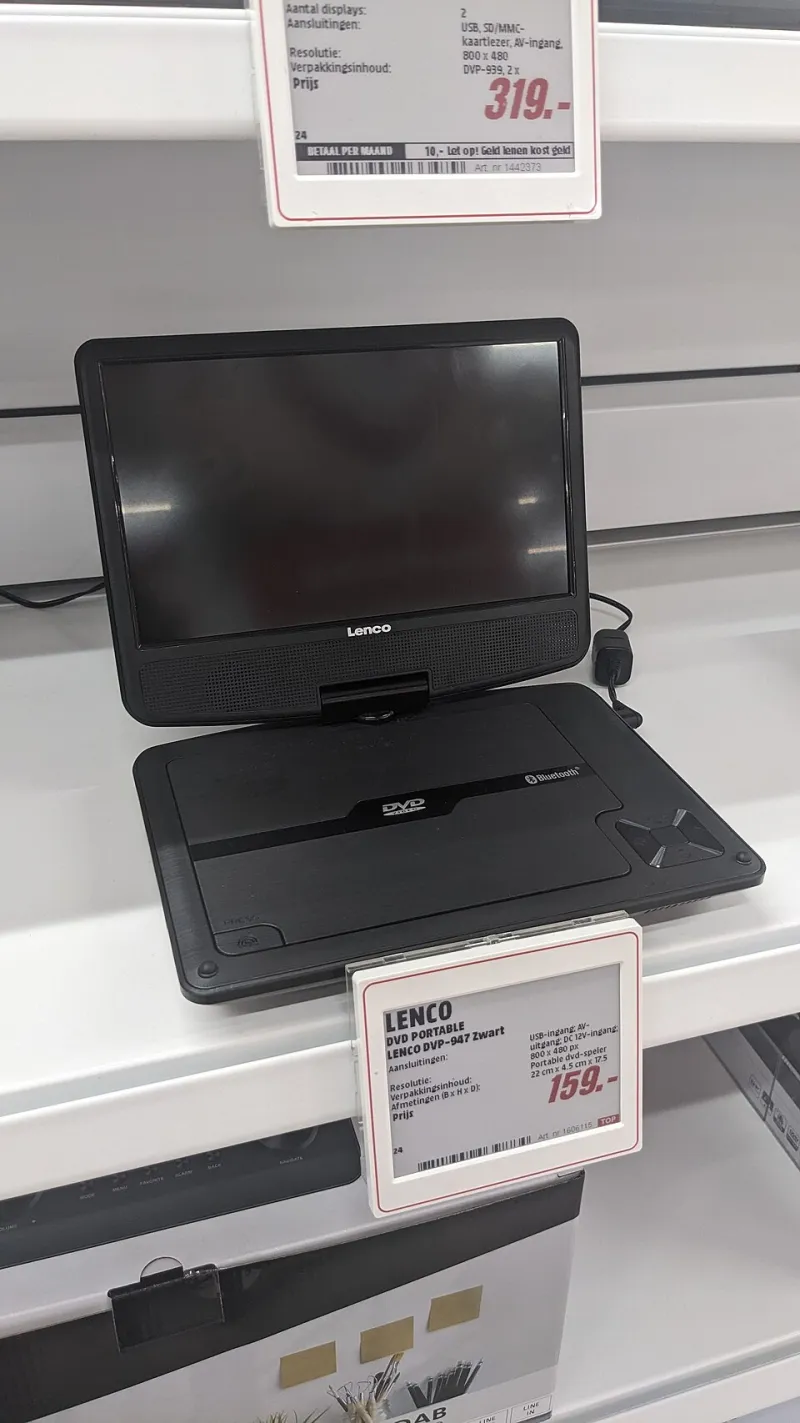
Photo: Donald Trung Quoc Don (Chữ Hán: 徵國單) - Wikimedia Commons - © CC BY-SA 4.0 International.(Want to use this image?)Original publication 📤: --Donald Trung 『徵國單』 (No Fake News 💬) (WikiProject Numismatics 💴) (Articles 📚) 08:10, 25 June 2023 (UTC), CC BY
Somewhere in a suburban basement in Ohio, there's a man who owns every episode of a show that isn't available anywhere. Not on Netflix, not on Max, not on the service that shall not be named because it merged with another service last spring. He owns it on DVD, in season binders, the way people did in 2005 — and as of the last few years, he's no longer a relic. He's a prophet.
Physical media is back. Not ironically, not just as a novelty, but as an honest-to-goodness market. Boutique labels are pressing deluxe 4K editions of movies that are free to stream somewhere right now. Steelbooks sell out in hours. And the used market — from eBay to garage sales to that one guy at the flea market with a milk crate of 90s horror tapes — is thriving like it never actually stopped.
The Vanishing Act That Started It All
The catalyst wasn't nostalgia. It was loss.
Over the past few years, streaming subscribers have watched entire catalogs evaporate. Shows get pulled for tax write-offs. Movies get quietly delisted to make room for originals. Whole platforms merge, rebrand, and take their libraries with them. If you've ever gone to rewatch something only to find it's just... gone, you know the specific sting. You didn't lose a disc. You lost a license — someone else's license.
That's the uncomfortable truth at the center of the streaming model: you've never actually owned anything. You've been renting access, month to month, at the pleasure of a corporation's content strategy. For a long time, the convenience was worth it. Now, with fragmentation across a half-dozen services and prices creeping upward, the math feels shakier — and the shelf full of discs you laughed at in 2015 is starting to look pretty smart.
From Bargain Bin to Collector's Market
Here's where it gets interesting. The revival isn't just people buying $5 DVDs at Walmart. It's a full-blown collector economy.
Boutique labels like Criterion, Shout! Factory, Vinegar Syndrome, and Arrow Video have turned disc collecting into something closer to fine-art collecting. We're talking restored transfers, director commentaries, packaging you actually want to display. Limited editions sell out in minutes and resell for multiples of their original price. A coveted out-of-print release can trade hands for hundreds of dollars.
And then there's VHS. Yes, really. Most tapes are worth nothing, but the collectors' market for rare horror releases, old Disney black diamond editions, and obscure regional oddities is genuinely robust. A sealed copy of the right tape can run into four figures. The garage-sale hunt is back, and it's got the same thrill as crate-digging for vinyl did a decade ago.
The Numbers Behind the Nostalgia
Skeptics will point out — fairly — that physical media sales are a fraction of what they were at their 2000s peak. That's true. But the trajectory has quietly reversed. After years of double-digit declines, disc sales have stabilized and even ticked upward in certain categories, particularly 4K Blu-ray, which is arguably the best way to watch a movie at home, period. The picture quality beats what most streaming services deliver after compression, and the audio puts standard streaming to shame.
For cinephiles, this isn't nostalgia. It's the superior format. Streaming is the convenience option; the disc is the best version of the movie that exists.
Who's Actually Buying?
The revival has a few overlapping tribes:
- The preservationists, who want their favorite films to survive the next licensing shuffle
- The quality hounds, who want 4K HDR with lossless sound and zero buffering
- The completists, chasing limited editions, slipcovers, and commentary tracks
- The flippers, hunting undervalued tapes and discs at estate sales and thrift stores
- The burnouts, who are simply tired of subscriptions and want to press play without opening an app
That last group might be the biggest. There's a growing fatigue with the streaming experience itself — the ads, the price hikes, the interface that buries what you searched for under a wall of recommendations. A disc asks nothing of you. No login. No update. No algorithm.
Will the Next Generation Own Anything?
The deeper question the disc revival raises is generational. Gen Z grew up entirely in the access economy — music, movies, games, even software, all on subscription. The idea of owning a movie, as a physical object, is genuinely novel to a lot of younger viewers. Some are discovering it the way they discovered vinyl: as a tactile, collectible, aesthetic experience. Others may never bother.
But the trend lines are worth watching. When people feel like everything they love can be deleted with a press release, ownership stops looking old-fashioned and starts looking like insurance. A shelf of movies is a hedge against the whims of shareholders.
The Verdict: Rent the Cloud, Own the Shelf
None of this means streaming is doomed. It's still the easiest way to discover something new on a Tuesday night, and frankly, most of us aren't giving it up. But the smart money in 2025 says both things can be true: stream widely, own selectively. Buy the movies you'll actually rewatch. Keep the shows that might disappear.
Because the streaming library you've spent years building? It was always a mirage. The disc on your shelf, meanwhile, will play in twenty years whether or not some executive decides your favorite movie no longer fits the brand.