Ghost of Shows Past: Why Reboots Keep Missing the Point — and What Would Actually Fix Them
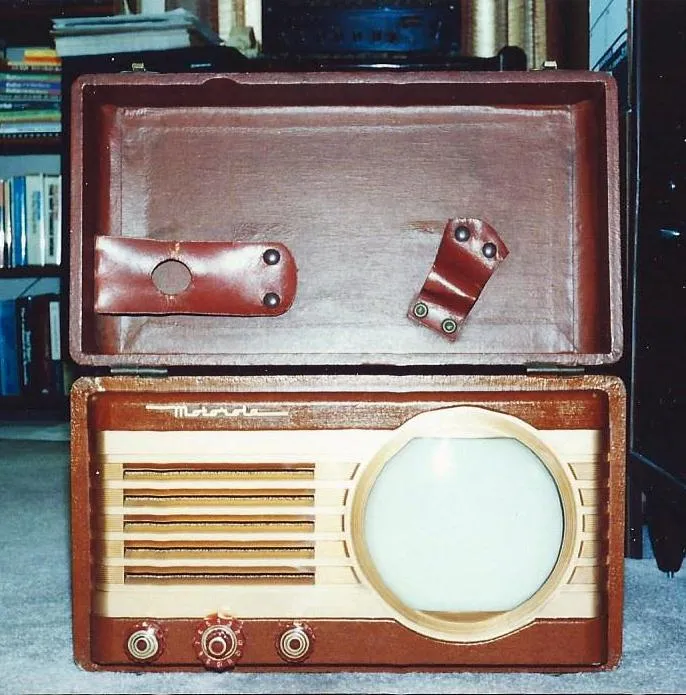
Photo: Joe Haupt from USA, CC BY-SA 2.0, via Wikimedia Commons
There's a very specific kind of disappointment that hits when a show you loved comes back. It's not quite like a bad movie or a mediocre season of something new. It's more personal than that — closer to running into an old friend who's somehow become a completely different person. You recognize the face. The vibe is all wrong.
And yet networks keep doing it. Streaming platforms keep greenlighting it. We keep watching. So what's actually going on here?
The Nostalgia Gap Is Real, and It's Bigger Than You Think
Here's the uncomfortable truth about reboots: by the time a show gets revived, audiences haven't just aged — they've changed. The version of yourself that watched Will & Grace in college, or stayed up late for The X-Files in high school, no longer exists. But the emotional memory of loving that show? That's still very much alive.
Networks tend to misread that attachment. They assume fans want more of the same, when what fans actually want is to feel the way they felt the first time. Those are two very different requests — and you can't really fulfill the second one by just reassembling the cast and hitting play.
Psychologists who study media consumption have noted that nostalgic attachment to entertainment isn't really about the content itself. It's about the life context surrounding it — who you watched it with, what was happening in your world, how young and optimistic everything felt. A reboot can't recreate that. No writers' room in Hollywood can script your 2003 living room.
What Goes Wrong: The Most Common Reboot Mistakes
When reboots fail, they tend to fail in predictable ways. Let's break down the usual culprits.
Playing it too safe. Some reboots are so desperate not to alienate original fans that they essentially replay greatest hits without adding anything new. The result feels like a tribute band — technically competent, emotionally hollow. Murphy Brown's 2018 return suffered from this: it leaned so hard into political commentary that it forgot to be a fully realized show with characters who had actually evolved.
Ignoring how culture has moved. A show that felt groundbreaking in 1995 might feel dated or even problematic by 2024 standards. If the reboot doesn't grapple with that shift honestly, it ends up in an awkward middle ground — too aware of the original to be something new, not aware enough to update what needed updating.
Forcing legacy characters to be exactly who they were. People grow. Characters should too. When a reboot demands that its returning cast members stay frozen in amber, the whole thing starts to feel like fan service cosplay rather than genuine storytelling.
Mistaking the format for the feeling. A lot of reboots get the aesthetics right — the theme music, the set design, the catchphrases — without understanding what made the original emotionally resonant. That's like covering a song note-for-note but missing the soul entirely.
When It Actually Works: Lessons From the Successes
Not every reboot is a disappointment, and the ones that land tend to share some interesting qualities.
Cobra Kai is probably the gold standard right now. It succeeded by doing something genuinely counterintuitive: it took the villain of the original story seriously. Rather than simply celebrating the Karate Kid legacy, it asked uncomfortable questions about it. Were we wrong about who the bad guy was? What does it mean to be a loser for 30 years? That's not nostalgia — that's actual drama. The original material was a launching pad, not a security blanket.
The Righteous Gemstones isn't technically a reboot, but its ability to pivot tone across seasons offers a useful lesson: audiences will follow great characters almost anywhere if the writers trust the material and resist the urge to repeat themselves. Confidence matters enormously.
Even Frasier's 2023 revival — which got mixed reviews — made the smart call to physically relocate the character and surround him with new people. It understood that you can't just recreate the original ensemble and expect the same chemistry. Chemistry isn't a formula you can reproduce; it either exists or it doesn't.
What Audiences Actually Want (Hint: It's Not What They Say They Want)
Fans are notoriously unreliable narrators when it comes to their own desires. Online, the loudest voices demand faithfulness to the original. In practice, the reboots that earn the most genuine affection are the ones that surprised people — that gave them something they didn't know they needed.
Audience expectations have also shifted dramatically in the streaming era. People are watching more content than ever, which means their tolerance for filler, repetition, and wheel-spinning is lower. A network sitcom in 2003 could coast on familiar rhythms for a season or two. A 2024 reboot gets maybe two episodes before the discourse turns.
There's also the parasocial dimension to consider. Modern audiences feel a much more intimate relationship with their favorite shows and characters than previous generations did. When a reboot fumbles, it doesn't just feel like a bad creative decision — it feels like a betrayal. Like someone messed with something that belonged to you.
A Loose Roadmap for Getting It Right
If entertainment creators actually want to honor a legacy instead of just mining it, a few principles seem to hold up pretty consistently.
First, ask why now. Not "why would audiences want this" but "why does this story need to exist at this particular moment in time?" If there's no compelling answer, that's a red flag.
Second, let the characters have changed. Real people who haven't seen each other in 20 years aren't the same. Neither should fictional ones be.
Third, find the new tension. The original show had its own central conflict. The reboot needs a different one — one that's native to the present, not borrowed from the past.
And finally, be willing to make original fans a little uncomfortable. The reboots that endure are the ones that challenged their audiences rather than simply comforted them.
Nostalgia is a powerful feeling. But it's a terrible blueprint. The best reboots understand that you're not really bringing a show back — you're creating something new that happens to share a name with something people loved. Once you accept that, you've got a real shot at making something worth watching.