Popcorn Pays the Rent: The Salty Secret Keeping America's Movie Theaters Alive
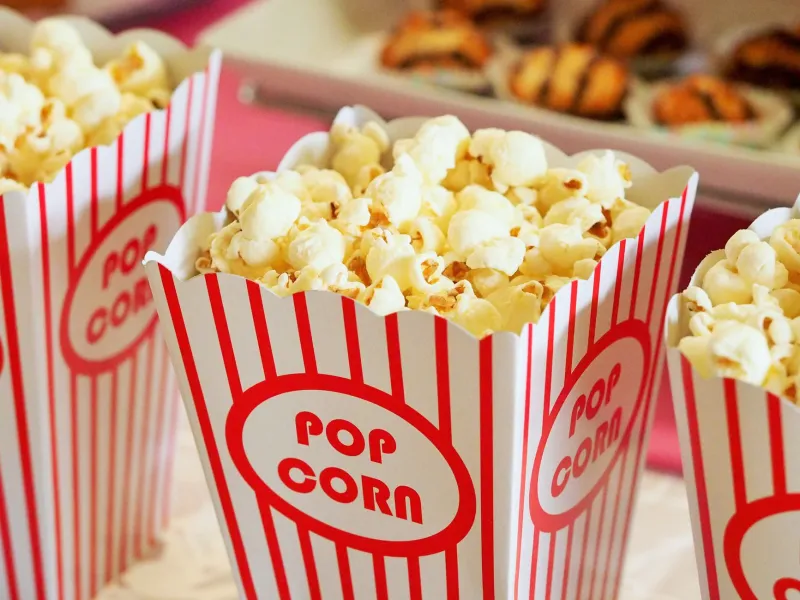
Next time you're at the movies, take a good look at the ticket stub in your hand. That little piece of paper? The theater barely sees a dime of it. The real money changes hands about twenty feet away, at the counter where you just paid eleven dollars for popcorn that costs less than a buck to make.
Welcome to the strangest business model in American entertainment — one where the product everyone came for is basically a loss leader, and the side dish pays every light bill in the building.
The Ticket Was Never the Point
Here's the arrangement most moviegoers never hear about: studios take the lion's share of ticket revenue, especially during a film's opening weeks. In the first couple of weekends, the theater's cut can be vanishingly small — sometimes just enough to cover the projectionist and the air conditioning. As the weeks roll on, the split shifts in the theater's favor, which is why so many cinemas cling to long runs of underperforming films. Week six of a mediocre comedy is far more profitable per ticket than opening night of a blockbuster.
So where does the money actually come from? The concession stand. Industry estimates routinely peg concession sales at north of 80% of a theater's operating profit. That popcorn tub, that vat of nachos, that gallon of Cherry Coke — that's not an upsell. That's the whole ballgame.
Why the Snacks Cost What They Cost
Yes, the markup is wild. Popcorn kernels sell for pennies per serving, and movie theaters charge matinee-ticket prices for them. But the logic is straightforward once you see the ledger: the theater is essentially running a restaurant that gives away its foot traffic to Hollywood.
The popcorn itself has a sneaky advantage, too. That butter-flavored topping (which, fun fact, usually contains zero actual butter) contains oils that make people thirsty. The salt makes people thirsty. The thirsty buy the $8 Coke, which costs the theater almost nothing from the fountain. It's a snack ecosystem engineered with the precision of a casino floor — no windows, no clocks, and every scent channel pointed straight at your wallet.
How Snacks Reshaped the Movies Themselves
Once you understand that concessions run the show, a lot of odd things about modern moviegoing suddenly make sense.
Runtime creep, for one. A three-hour epic isn't just a creative choice — it's an intermission-less marathon that gives audiences time to get up, wander back, and buy a refill. Some theaters have quietly embraced the mid-film stretch as a second snack run.
The recliner revolution, for another. Those big leather power recliners rolling out across America's multiplexes? They're not generosity — they're a strategy. Premium seating justifies premium ticket prices, which attracts a smaller crowd that spends way more per head. Fewer butts, bigger checks, and a concession order to match. The theaters that went all-in on 'dine-in' luxury did the math and realized a couple eating dinner and a movie in one seat is worth four teenagers sneaking in their own candy.
Even the movies themselves bend to the snack economy. Ever wonder why American films get shorter and punchier trailers, why comedies get scheduled for opening weekends, why family films dominate the summer? Families buy concessions at the highest rate in the business. Four tickets, two popcorns, three sodas, one junior mints. That's the dream customer.
The Streaming Squeeze Made Snacks Sacred
Here's where it gets existential. Streaming flattened the value of the ticket — why fight traffic when the movie shows up on your couch in 45 days? What theaters discovered is that the one thing your living room can't replicate is the ritual: the enormous screen, the dark room, the strangers, and yes, the popcorn that somehow tastes better there than anywhere else on Earth.
So the snack counter went from profit center to survival mechanism. Chains like AMC leaned hard into their popcorn as a brand — even launching it in retail stores and, briefly, as a subscription perk. When your concession stand becomes your identity, you know the business has changed forever.
What You're Really Buying
Strip it all away and the concession stand tells you something honest about moviegoing: nobody's really paying for popcorn. They're paying to make an evening of it. The snack is the permission slip that turns 'watching a movie' into 'going to the movies' — a night out, an event, a memory.
So the next time you wince at the register, consider it a donation to keeping the big screen alive. The studios got their cut at the box office. The popcorn is what keeps the lights on, the projectors running, and the recliners reclining.
Just maybe spring for the refill. It's free, and unlike the ticket, the theater actually means it.