That One Terrible Episode You Can't Stop Talking About (And Why It Actually Saved the Show)
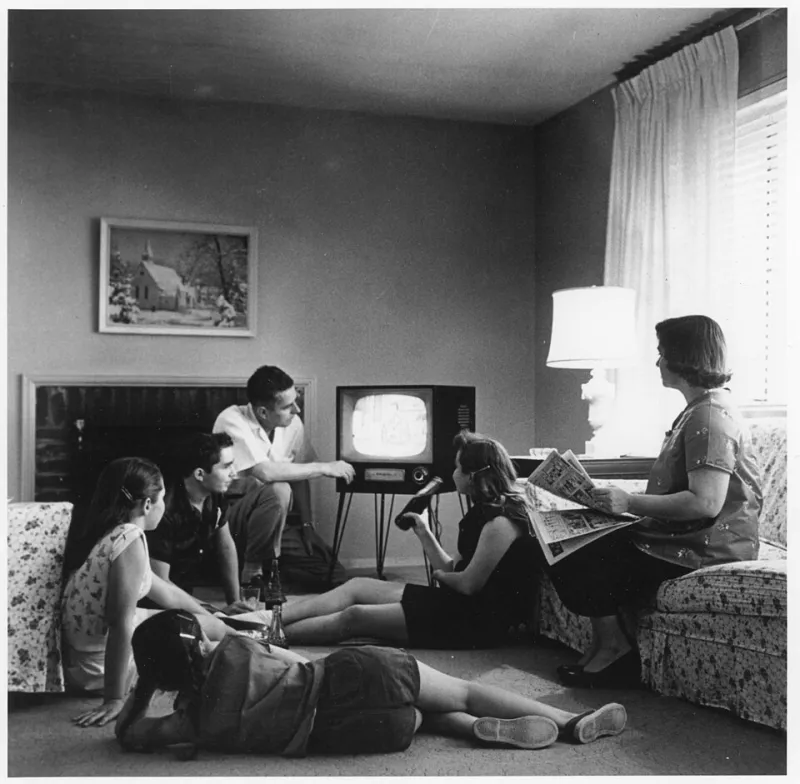
Photo: Unknown authorUnknown author, Public domain, via Wikimedia Commons
You know the one. The episode that made you physically recoil from your couch cushions. The one where the writers clearly had a fever dream, greenlit it anyway, and somehow made it to air. Maybe it was a random musical interlude in an otherwise gritty crime drama. Maybe it was a bottle episode that felt like it was filmed in a parking garage over a long weekend. Whatever it was, you watched the whole thing — and then you texted three people about it before the credits finished rolling.
Here's the thing nobody really wants to admit: that terrible, no-good, absolutely unhinged episode might be the exact reason you're still watching the show two seasons later.
When Bad TV Becomes a Bonding Experience
There's a weird social alchemy that happens when a show stumbles badly enough. Suddenly everyone's talking. Not in the glowing, "you have to watch this" way — more like the "I cannot believe what I just witnessed" way. And that shared bewilderment? It's genuinely powerful.
Psychologists who study media engagement have long noted that strong emotional reactions — even negative ones — create stickier memories than neutral experiences. When a show makes you cringe, groan, or outright laugh at its own earnestness, it's triggering a kind of emotional investment that a perfectly competent episode simply can't manufacture. You're not just watching anymore. You're feeling things, and your brain is filing that away.
Think about how many people stuck with Riverdale not despite its increasingly chaotic plot logic, but almost entirely because of it. At a certain point, the show's willingness to go completely off the rails became its whole identity — and fans leaned in hard. The infamous "maple syrup drug cartel" storyline didn't kill the show's audience. It created a devoted cult that tuned in specifically to see what fresh absurdity was coming next.
The "So Bad It's Good" Loop Is Real
There's an actual psychological concept at play here, sometimes called "benign masochism" — the idea that humans can enjoy experiences that are technically unpleasant because we know we're safe from real harm. Horror movies work this way. So does spicy food. And yes, so does watching a beloved show completely fumble a major storyline.
When a show you already like delivers a genuinely bad episode, your brain processes it through a filter of existing affection. You're not a stranger encountering a bad show for the first time — you're a fan watching something you love trip over its own feet. That distinction matters enormously. The cringe becomes almost... endearing? You're rooting for it to recover, which means you're going to keep watching to see if it does.
This is the plot twist the writers definitely didn't plan: the worst episode of the series becomes an accidental cliffhanger.
Famous Misfires That Actually Built Fandoms
This phenomenon shows up across genre and prestige alike. Buffy the Vampire Slayer has its "Beer Bad" episode, widely considered one of the weakest in the entire run, where Buffy literally becomes a cavewoman. Fans still debate it obsessively decades later. Lost gave us "Stranger in a Strange Land," an episode so universally panned that the showrunners reportedly used audience backlash as motivation to tighten the series going forward — but fans who stuck around through that rough patch became some of the most dedicated in TV history.
More recently, there's the discourse that erupts every time a prestige drama takes a weird swing. A procedural suddenly going full experimental? A sitcom inserting a tonally bizarre cold open that has nothing to do with the rest of the episode? These moments become instant reference points. They're the episodes people bring up at parties, quote in group chats, and use as shorthand with other fans.
"You remember that one?" is one of the most powerful phrases in fandom.
Why Your Relationship With the Show Actually Deepens
Here's where it gets a little counterintuitive. Watching a show navigate a genuine misfire — and then recover — can actually increase your emotional investment in the characters and the story. It's similar to how relationships work: going through something awkward or difficult together tends to create stronger bonds than everything always going smoothly.
When a show stumbles and you stay anyway, you've made a choice. You've decided the good outweighs the bad. And that decision, small as it seems, shifts your relationship with the series. You're no longer a passive viewer — you're someone who showed up when things got weird. Fans who've been through the rough episodes with a show often describe feeling a kind of ownership over it that newer viewers don't have.
There's also the "I survived that" energy. Getting through a legitimately painful episode — one that's too long, too strange, too off-brand — and coming out the other side still engaged is its own reward. It's like finishing a difficult workout. The effort makes the payoff feel more earned.
The Community That Forms Around Shared Suffering
None of this happens in isolation, and that's probably the most underrated part of the whole equation. Bad episodes are social in a way that good episodes rarely are. A great episode might generate appreciative posts and fan theories. A bad one generates memes, Reddit threads, YouTube video essays, and TikToks that clock millions of views.
The communal experience of processing a shared television disappointment is genuinely fun. It's a safe space to be dramatic — to declare the show "over" and then quietly tune in next week anyway. The discourse becomes its own form of entertainment, layered on top of the original content.
This is actually something that streaming platforms have started to notice. Shows that generate strong reactions — including strongly negative ones — tend to perform better in terms of retention than shows that receive a polite, middling response. Indifference is the real killer. Strong feelings, even bad ones, keep people subscribed.
So the Next Time a Show Loses the Plot...
...maybe don't bail immediately. Sit with the discomfort. Text a friend about it. Go read what other fans are saying. There's a decent chance you're in the middle of a moment that'll become legendary in the fandom — the episode everyone brings up as a reference point, the one that somehow made you care more than you did before.
The worst episode you've ever watched might be doing more work than you realize. It's stress-testing your investment, building community, and creating the kind of memorable, messy TV history that perfectly competent episodes almost never manage.
Bad TV, when it's the right kind of bad, isn't the end of something. It's weirdly, unexpectedly, the beginning.